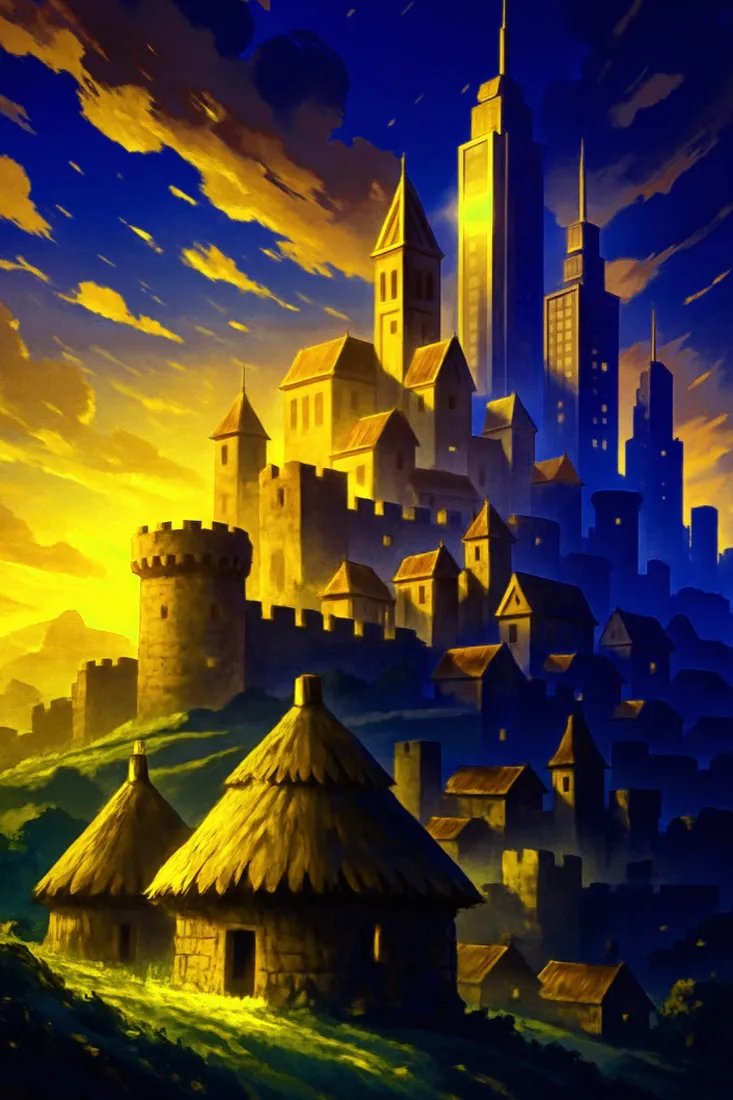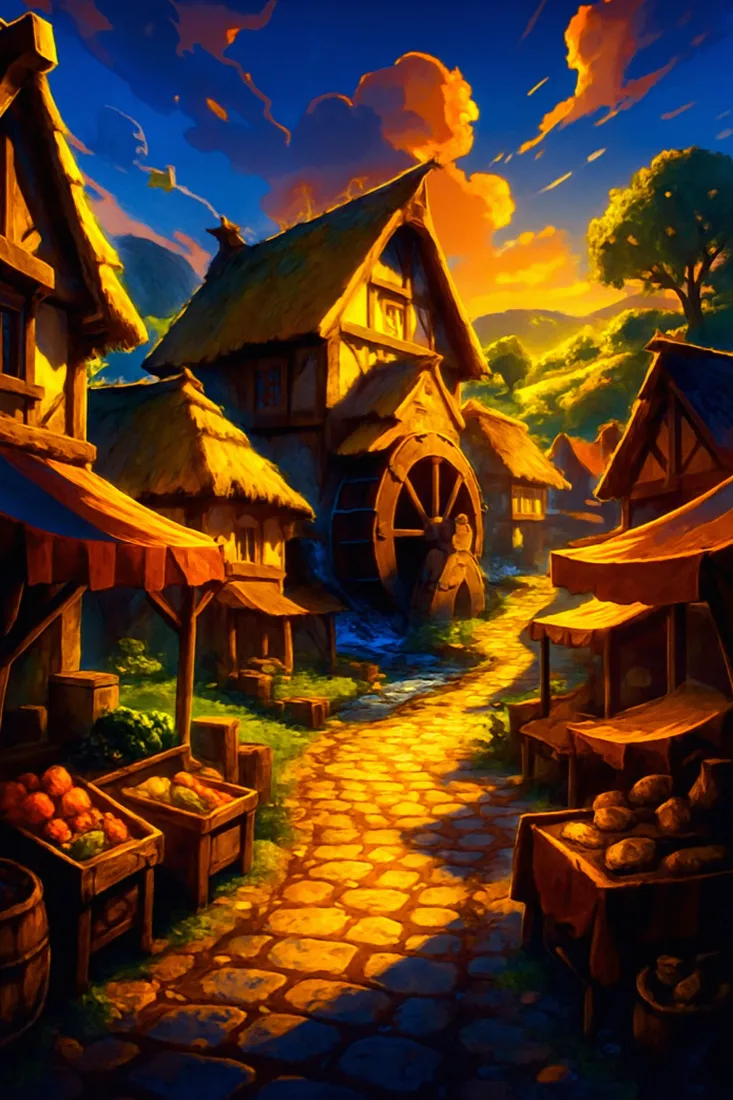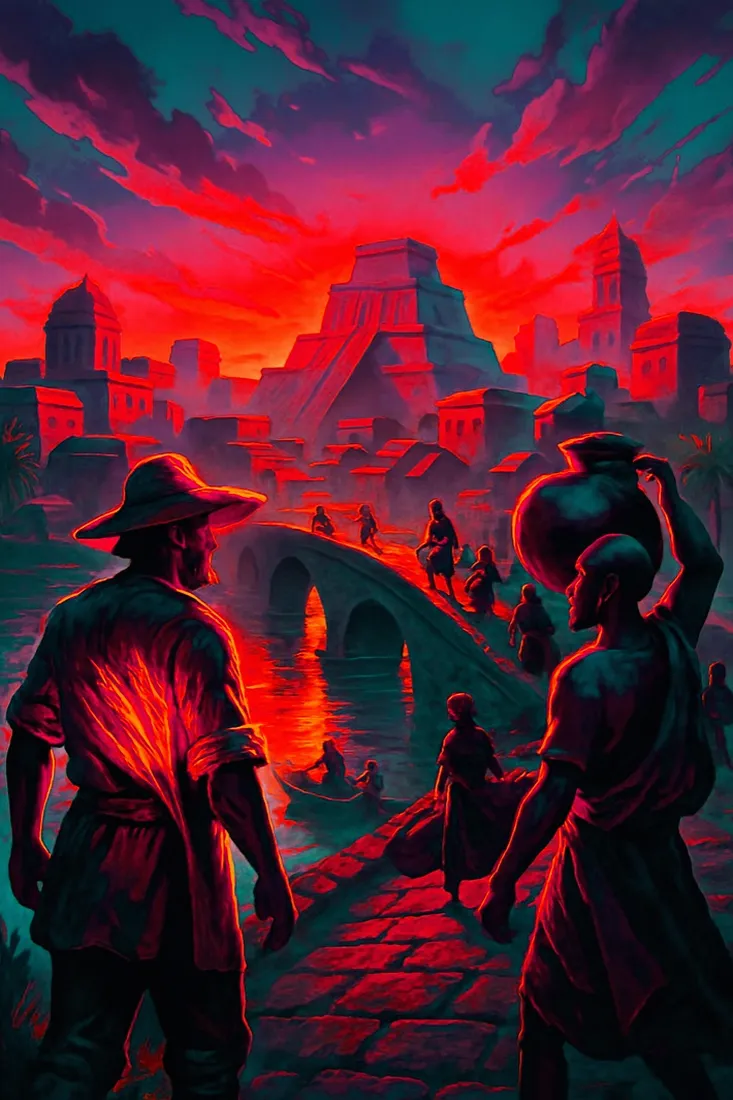
Rise of Cultures sells itself with a simple promise: build epic cities, explore historic cultures and meet famous leaders of the past. It keeps that promise more literally than you might expect. Rather than one endless tree, the game moves your settlement through distinct cultures, and the official pages name Classic Greece, Egypt, the Chinese Empire and the Roman Empire among them.
It also comes from InnoGames, so comparisons with Forge of Empires are inevitable. The short version is that Rise of Cultures feels younger and quicker. The art is bright, the menus are cleaner and the city is easier to read. Our diary covered weeks of short daily visits and several evening campaign sessions, and the game kept a steady supply of new goals in front of us.
Moving between cultures rather than climbing one ladder
Each culture brings its own look and its own resources, and progress means building up one and then reaching for the next. The official description gives a neat example: you use Egyptian goods to establish influence on the continent and expand further. That idea, that one culture’s output becomes the key to the next, gives the economy a sense of direction you do not always get in builders.
In practice, this means you are constantly thinking about production chains. Raw materials feed workshops, workshops feed the goods your next step demands, and a gap anywhere in the chain slows everything down. Keeping it fed is the core skill, and it rewards a few minutes with a notepad more than frantic clicking.
Strategic PvE battles with a cast of legends
Between building stints, Rise of Cultures sends you into strategic PvE battles, and it does so with a sense of theatre. The official site names opponents such as King Minos, Leonidas and Hannibal, and promises that you will fight side by side with Caesar. Facing a name you remember from a school textbook adds a small thrill that generic enemy camps never manage.
The battles themselves are approachable rather than punishing. Preparing the right forces matters, and losing a fight usually means going back to strengthen the city rather than starting over. Because the campaign is player-versus-environment, it never feels like someone else is waiting to undo your evening’s work, which suits a relaxed builder audience nicely.
Research with a famous tutor
Technology research is part of the climb, and the game leans into its historical cast here too; the official page invites you to research new technologies with Einstein. It is a charming touch that tells you a lot about the tone. This is not a sober simulation of the ancient world. It is a playful tour through history’s greatest hits.
The research itself works much as you would expect, opening new buildings and options as you go. What we liked is how clearly it is tied to the culture you are currently developing, so you rarely feel you are researching something abstract. Each unlock has a visible place in the city you are building today.
Alliances and a shared world
Rise of Cultures describes an advanced multiplayer world in which players form alliances. As with guilds elsewhere, an alliance turns a solo project into a shared one, with advice, cooperation and a little friendly rivalry. We found a quiet alliance added a welcome social layer without demanding much.
If you prefer to play alone, the campaign and the city still carry the game. But the most engaged players clearly treat the alliance as part of the experience, and you will get more out of the later stages if you have a few people to compare notes with. It is the best of both approaches: sociable when you want it, solitary when you do not.
Rise of Cultures: laying the first stones
- Follow the opening tasks; they explain the production chains far better than any wiki page.
- Build steady supply before chasing new buildings, because every gap in a chain slows the whole city.
- Try your first PvE battles early to learn what forces each opponent tends to need.
- Read ahead to the next culture’s requirements so the goods you need are already in production.
- Join a relaxed alliance once you understand the basics; questions get answered quickly.
What we love
- Famous historical opponents give the campaign real personality and charm
- Cleaner, more modern interface than most long-running builders
- Production chains give every building a clear purpose
- PvE battles let you enjoy combat without other players undoing your work
What grates
- The cheerful tone may feel light if you want serious history
- Production gaps can stall progress until you spot the missing link
- Later stages lean on alliance cooperation more than solo players might like
The planner Rise of Cultures rewards
Players who want building and battles in balance, enjoy a bit of historical colour, and like a game that looks fresh. It is also the gentlest introduction to InnoGames-style builders for anyone daunted by the long history and dense menus of Forge of Empires.
Rise of Cultures: the finished plan
Rise of Cultures is a confident, colourful civilisation builder with a campaign that actually feels like an adventure. It is less deep than Forge of Empires and less soothing than Elvenar, but it sits neatly between them, and its parade of famous leaders gives it a personality all its own. A strong third place, and for some players a natural first.