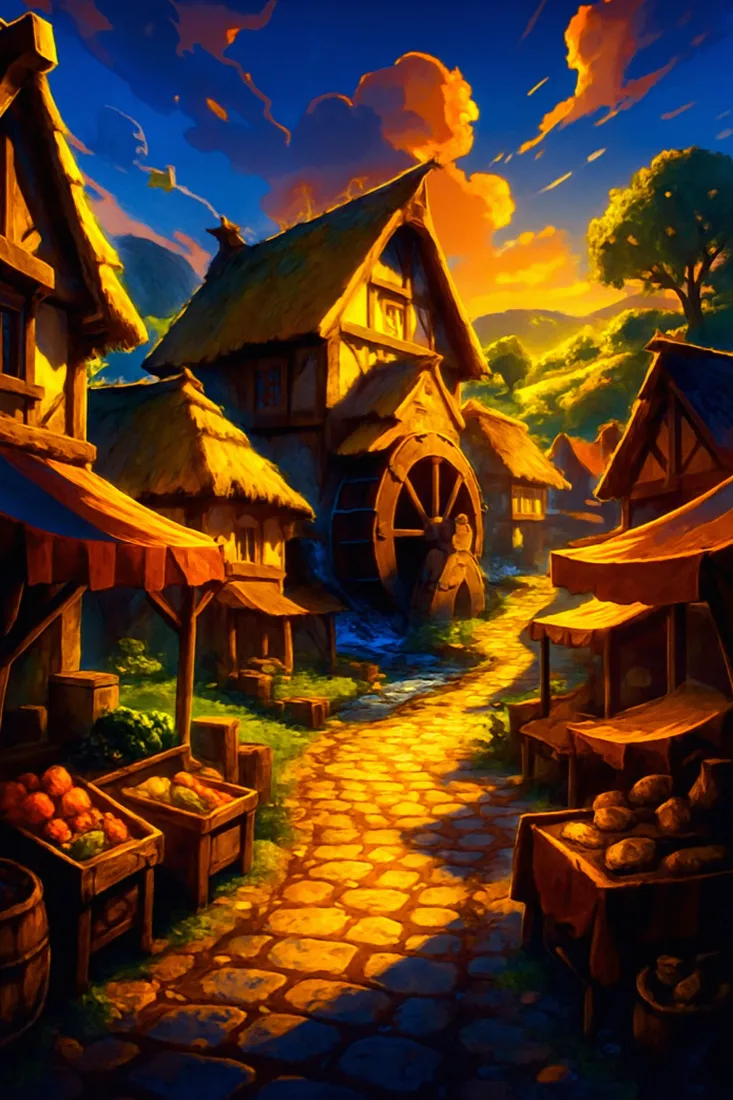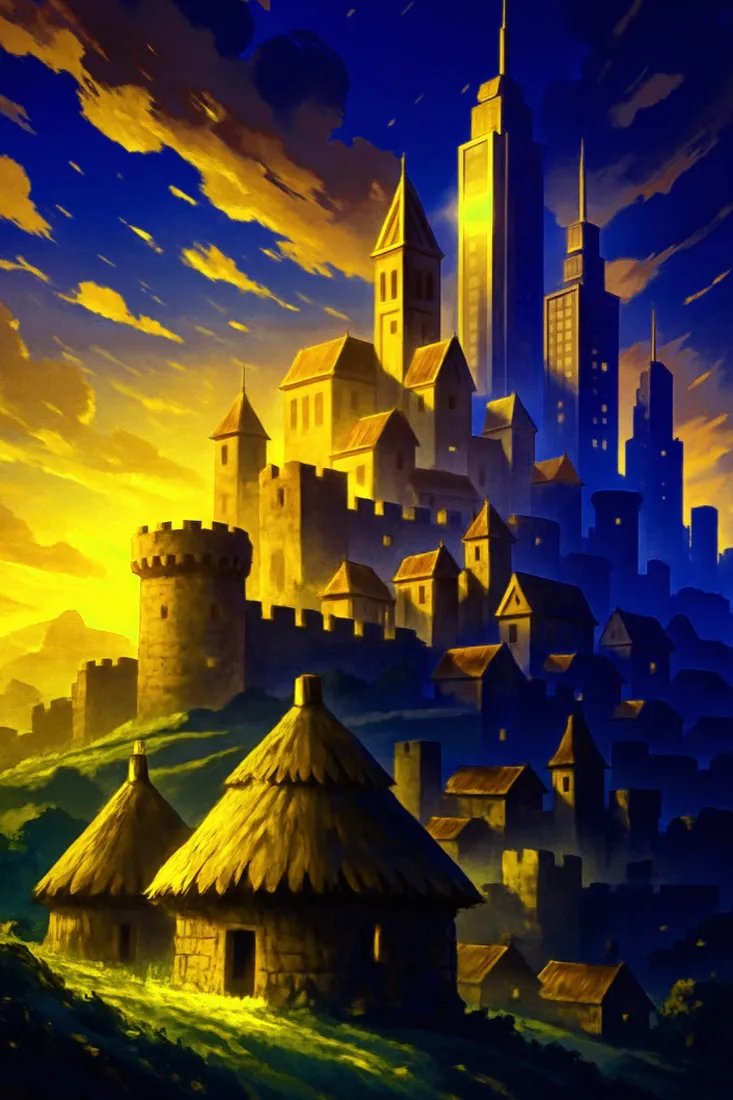
Forge of Empires opens with almost nothing: a few huts, a scrap of road and a population that wants housing. Within an hour you have a working loop. Houses bring people and coins, production buildings turn out supplies, and the technology tree glows with the next thing to unlock. It is a familiar rhythm, yet the game commits to it with unusual seriousness, because the tree does not stop at the Middle Ages.
InnoGames opened the beta in April 2012, and the years show in the best way. Systems are layered rather than bolted on. Each new era brings new building types and new things to juggle, and the city you carry forward has to be reshaped to fit them. Our diary covered several weeks of twice-daily visits plus a handful of longer evening sessions, and it never felt like we were repeating ourselves.
Forge points and the shape of a research tree
Research runs on forge points, which regenerate over time and get spent on technologies along the tree. That single design choice sets the game’s tempo. You cannot simply hurl resources at a problem; you have to decide which branch matters today. Early on that means houses and workshops. A little later it means the goods buildings that let you afford the technologies everyone wants.
The tree is wide enough that two players in the same era can have very different towns. We found it rewarding to plan two or three technologies ahead, noting what each required, and rearranging the city before the new buildings arrived. When you finally finish an era and the next one opens, the moment carries real weight. It is the closest any browser builder comes to the feeling of a civilisation game on a desk.
Great Buildings are where long plans pay off
Great Buildings are the landmarks of human history, and they are the game’s long-term projects. Each needs space, goods, forge points and blueprints before it rises, and they keep asking for more as you level them. Because they are expensive, choosing which to build is one of the most meaningful decisions you make, and the right choice depends on whether you enjoy fighting, producing or cooperating.
We enjoyed how a Great Building changes your relationship with the city. Suddenly a block of land is reserved for something that will take weeks to grow, and you start arranging streets around it. That is town planning in the proper sense. It is also where the free player feels the pace most keenly, because the materials accumulate slowly unless you work with others.
Battles on the hex grid
When the map pushes back, combat plays out as turn-based tactics on hexagonal maps. Units have strengths and weaknesses against each other in a rock-paper-scissors fashion, so a sensible army mix matters more than raw numbers. You can fight computer-controlled opponents and, separately, take on other players, which gives the military side a competitive edge if you want one.
We will be honest: the battles are pleasant rather than profound. They are quick, readable and often decided before the first move by what you brought. As a break from planning they work well, and the option to auto-resolve is welcome on busy evenings. Players who come for the town and stay for the town will not feel short-changed by skipping much of the fighting.
Guilds and the social city
Forge of Empires lets you group with other players in guilds, and this is where the long game opens up. A good guild is a source of advice, help and shared goals, and it makes the slow material grind of Great Buildings feel collaborative rather than solitary. Even a casual guild that simply keeps in touch adds a reason to log in.
The flip side is obligation. Busier guilds expect participation, and if you only want a quiet town you should pick your group carefully or stay independent for a while. We spent part of our diary period guildless and part of it in a relaxed group, and the second stretch was clearly more enjoyable, without being any more stressful.
Forge of Empires: laying the first stones
- Follow the early quests closely; they walk you through houses, supplies and the first technologies without wasting resources.
- Spend every forge point as it arrives so none are left idle; plan the next two technologies on paper.
- Keep the town compact around roads, because each new era will ask you to rebuild parts of it.
- Try a few battles on the map to learn which unit types counter which before facing harder opponents.
- Look for a relaxed guild by the end of the week; friendly advice speeds everything up.
What we love
- A genuine sense of moving a town through history, era after era
- Great Buildings give months of meaningful long-term goals
- The research tree rewards planning ahead rather than clicking fast
- Guilds make the slower stretches feel shared and sociable
What grates
- Later eras demand regular rebuilding that can feel like housework
- Battles are readable but rarely surprising once you know the counters
- The interface piles up menus as systems accumulate over time
The planner Forge of Empires rewards
The player who wants one town for a long time, enjoys plotting a research path, and does not mind the occasional reorganisation of streets. If you liked civilisation games on a home computer and want something in a browser tab on a lunch break, this is the obvious first stop.
Forge of Empires: the finished plan
Forge of Empires is the most complete builder on Oakhollowarcade. It has depth, history and a structure that keeps paying out for months. The free path is slower than the paid one, especially around Great Buildings, but never blocked. Its clutter and the chore of rebuilding hold it back from perfection, yet nothing else on our shelf makes the march of the centuries feel this tangible.