
Oakhollowarcade
Six builders testedBritish English deskPlays in your browser

Raise a settlement, then watch it outgrow the map

Oakhollowarcade covers one corner of free browser gaming and covers it properly: city builders and civilisation games, from a Stone Age tribe learning to make fire to a city marching through the centuries. We played each of our six picks across real weeks, kept notes, and ranked them by how they treat your time.

6free builders reviewed in depth
4scoring criteria on every review
2long guides to planning and pacing
0downloads needed to start any of them
HollisPick a builder that fits your evenings, not someone else’s.
Hollis, the Oakhollowarcade guide
Forge of Empires
#1 · Start here
8.0of 10
Our number one founding stone

Forge of Empires

Forge of Empires takes the oldest idea in the genre, a town that grows up through history, and gives it more structure than anything else on our shelf.

Developed and published by InnoGamesOpen beta began in April 2012Turn-based battles on hexagonal maps

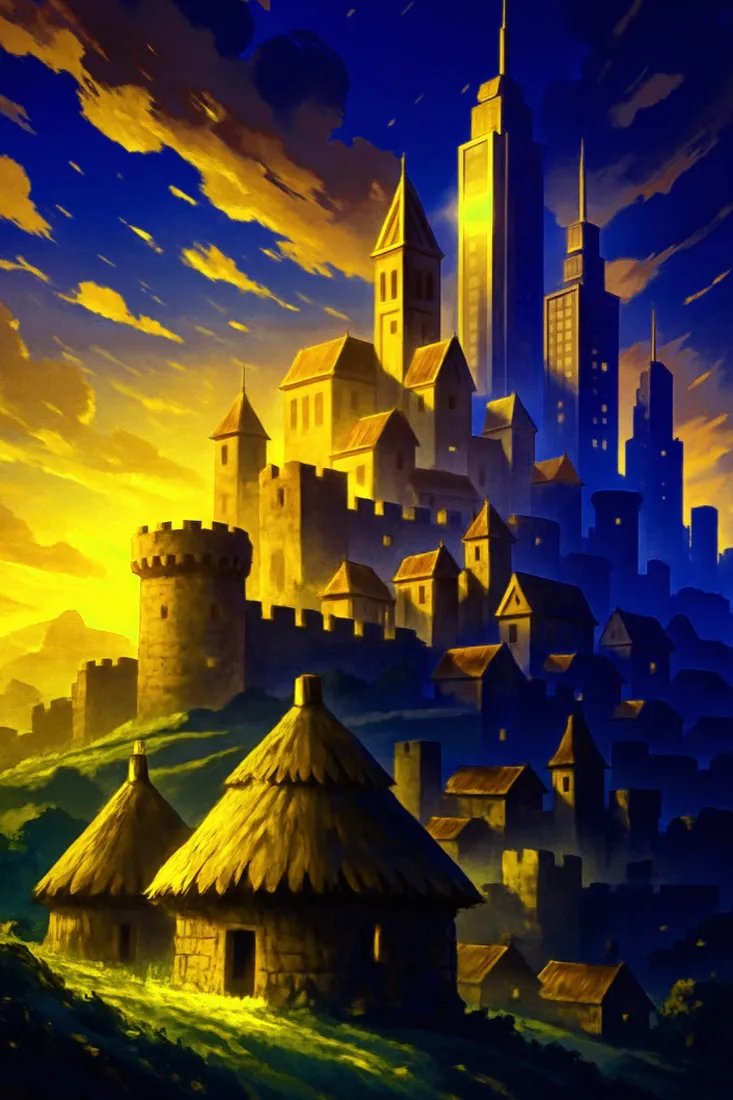
You start with a cluster of huts in the Stone Age and research your way forward along a technology tree that the game says runs through every era of human history and on into the far future. Houses bring people and coins, workshops bring supplies, goods buildings feed the research, and decorations keep the population content. Great Buildings, the famous landmarks, ask for goods, forge points and blueprints before they rise. When diplomacy fails, battles play out as turn-based tactics on a hex grid.

The shelf

Six settlements worth founding this season

Three of these carry a city through history or myth, two keep things small and pastoral, and one swaps sieges for hidden-object scenes. They share a rhythm: build, wait, return, build again. What separates them is how much they ask of you, and how generously they reward a free player who logs in twice a day.

Forge of EmpiresStart here01
Historical city strategy

Forge of Empires

A settlement that begins as a handful of Stone Age huts and researches its way through the ages towards the far future. Houses, workshops, goods buildings and decorations all have a job, Great Buildings demand serious planning, and hex-grid battles add a tactical layer. The deepest builder on our shelf, and the one with the longest road.

City through erasResearch treeTactical battles
Desktop browser; mobile app also available

Planning depth9
Sense of progress9
Fair to free players7
Session rhythm7
ElvenarMost beautiful02
Fantasy city builder

Elvenar

Choose elves or humans and grow a city where nearly every building can be upgraded and changes its look as it levels. More than two hundred technologies to research, quests across a world map and relics that boost production. The calmest, prettiest builder we tested, with combat kept to the margins.

Fantasy city-buildingResearch & tradeFaction choice
Desktop browser; mobile app also available
Planning depth8
Sense of progress8
Fair to free players8
Session rhythm8
Rise of CulturesBest campaign03
Ancient cultures builder

Rise of Cultures

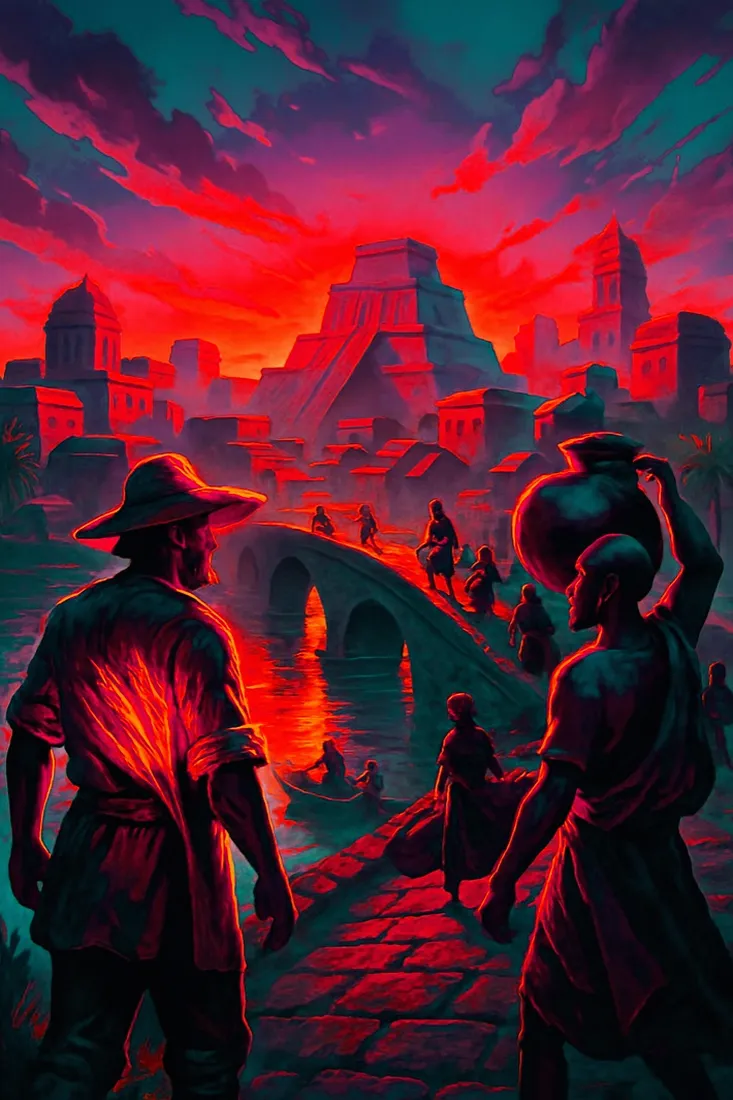
A city builder that moves through great historic cultures such as Classic Greece, Egypt, the Chinese Empire and the Roman Empire. Research new technologies, trade goods between cultures, form alliances with other players and fight strategic PvE battles against figures like King Minos, Leonidas and Hannibal. Bright, brisk and generous with spectacle.

Age progressionProduction chainsStrategic PvE battles
Desktop browser; mobile app also available
Planning depth8
Sense of progress8
Fair to free players7
Session rhythm8
My Little FarmiesMost peaceful04
Medieval village sim

My Little Farmies

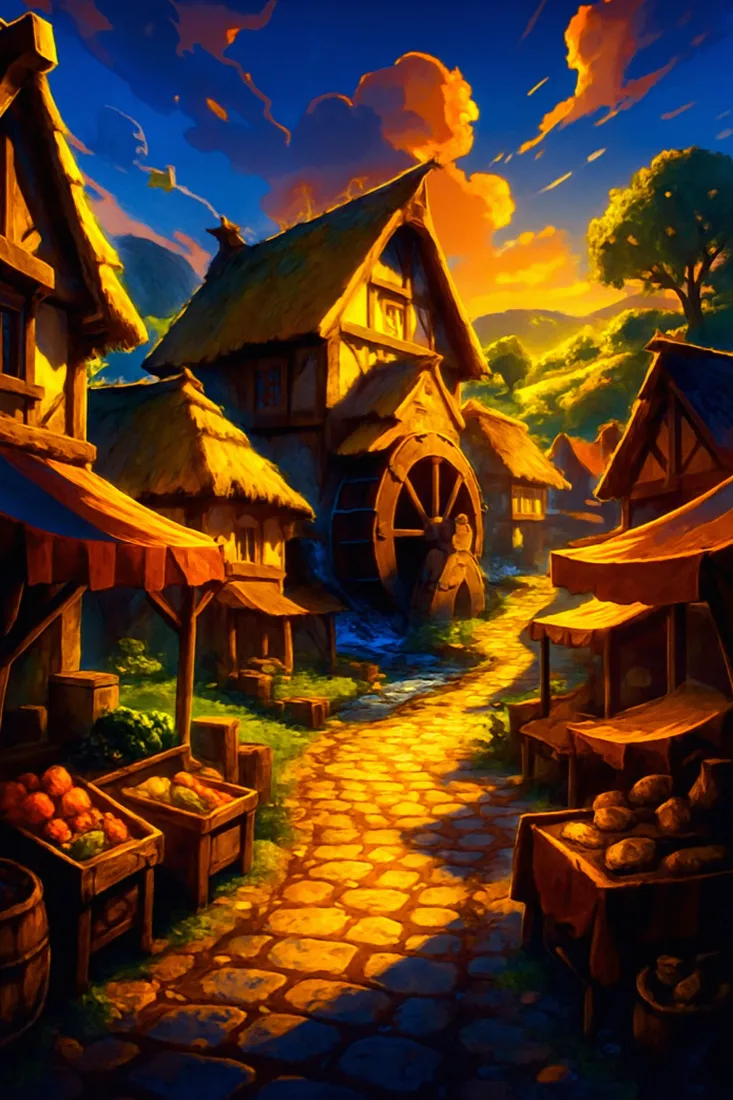
A medieval village built on fields, animals and workshops. Grow wheat and mill it into flour for bread, press grapes into wine, keep heritage breeds like the Mangalitsa pig, then choose which customers get your wares. Guilds, special regions and tower-building competitions add variety. No sieges, no armies, just a busy village.

Medieval villageWorkshop chainsNo combat
Desktop browser
Planning depth7
Sense of progress7
Fair to free players8
Session rhythm9
StoniesMost personal05
Stone Age tribe builder

Stonies

Guide a Stone Age tribe as a benevolent deity. Gather berries and mushrooms, hunt reindeer and wild boar, teach your Stonies to make fire, carving stones, spears and fishing rods, then help them build huts and religious sites. Families grow, children grow up, and the camp slowly widens as knowledge spreads.

Tribe task assignmentCrafting & researchCamp expansion
Desktop browser; mobile app also available

Planning depth7
Sense of progress6
Fair to free players7
Session rhythm7
UptasiaPuzzle twist06
Builder with puzzles

Uptasia

A management game where you build up a production empire and break it up with hidden-object riddle pictures. Search scenes, discover more hidden objects as you go, and team up with other players in families. Runs in the browser through WebGL with no download. The odd one out on our shelf, in a good way.

City buildingHidden-object scenesSteady progress
Desktop browser
Planning depth6
Sense of progress7
Fair to free players7
Session rhythm8
Filter, sort and search all six →
Hollis’s three questions

Match your evenings to the right townscape

Answer three quick questions about mood, era and time, and Hollis will point you at the builder on our shelf most likely to still be open in your browser a month from now.

Hollis
How the desk plays

Our rules for judging a city that never finishes

A city builder cannot be reviewed in an afternoon. The first hour of any of these games is generous by design; the third week tells you the truth. So every title on Oakhollowarcade was played across weeks, on a schedule a working adult could keep, with notes taken at each stage.

01

We keep a builder’s diary for weeks, not hours

Each reviewer kept a dated log: what was built, what was researched, when the first real wait arrived and how long it lasted. Patterns jump out of a diary that never show up in a single sitting, such as the evening a research tree suddenly widens, or the morning you realise every useful upgrade now asks for something you cannot easily make.

Dated logsThird-week checkReal schedules
02

We play as a free citizen first

Every one of these games sells an optional premium currency, and every one of them can be enjoyed without it. We measure how far a non-paying player gets, how often the game nudges you towards the shop, and whether those nudges block progress or merely hurry it. A builder that only works with a wallet open scores poorly here.

No purchasesShop pressureFair pacing
03

We test the town against a real week

Commutes, late shifts, a weekend away. We note what happens when you miss a day: does production simply pause, or does the game punish absence? We also time ordinary sessions, because a builder that asks for forty minutes a night is a different commitment from one that is happy with two quick visits over a cup of tea.

Missed daysSession lengthDaily rhythm

Partner links on the table, rankings off limits

Some of the buttons on Oakhollowarcade are partner links, and that is how the lights stay on. Rankings come first and are written before any link is placed; when we move a game up or down the shelf, we say why on its review page. Scores are set by the reviewer who kept the diary, and the four criteria never bend to suit a partner. If we change our minds after a patch, the review changes with us.

Find your kind of founder

Six ways to run a settlement

Every builder here shares the same bones, yet each one rewards a different temperament. Read across and see which founder sounds like you.

historian

The historian with a long plan

You like a town that remembers where it came from. Forge of Empires lets you walk a settlement from Stone Age huts through every era, with a research tree to plot and landmarks to raise. It rewards patience, spreadsheets in your head and a willingness to think in months.

Forge of Empires →
dreamer

The dreamer who wants elves at the gate

History is fine, but you would rather build somewhere that never existed. Elvenar asks you to pick elves or humans, then grow a city whose buildings change shape as they level up. It is the prettiest town on the shelf and the most relaxed about combat.

Elvenar →
general

The general who enjoys a good campaign

You want your city to matter on a map, with famous names to face. Rise of Cultures moves through great ancient cultures and puts strategic PvE battles against figures like Leonidas and Hannibal between your building sessions. Planning and fighting feed each other.

Rise of Cultures →
chieftain

The chieftain minding a small tribe

You enjoy looking after people more than managing ledgers. Stonies hands you a Stone Age tribe of men, women and children to feed, teach and house. You gather berries, hunt boar and watch the camp learn to make fire and tools.

Stonies →
miller

The miller who would rather bake than battle

Swords hold no appeal. My Little Farmies turns wheat into flour and flour into bread, grapes into wine, milk into dairy goods, and then lets you decide which customer gets what. A gentle medieval village with surprising depth in its workshops.

My Little Farmies →
sleuth

The sleuth who likes a puzzle break

Pure management makes your eyes glaze. Uptasia mixes building a production empire with hidden-object riddle pictures, so every so often you stop planning and start searching. It is a builder for people who enjoy a change of pace inside a single session.

Uptasia →
Compare

Two cities, one table

vs
Reader post

What readers ask us about browser city builders

Not to start. All six run in a desktop browser after a free sign-up. Forge of Empires, Elvenar, Rise of Cultures and Stonies also have mobile apps, which is handy for a quick check on the train. My Little Farmies and Uptasia are desktop browser games, so plan your visits around a laptop or a home computer rather than your phone.

Yes, and we test exactly that. Each game sells an optional premium currency that speeds things up or unlocks extras. In our diaries, none of the six forced a purchase to keep going. What the shop changes is tempo: free players wait longer and plan more carefully. If you enjoy planning, that is not much of a sacrifice.

My Little Farmies is the clear choice, because the village grows through fields, animals and workshops rather than fighting. Elvenar is the next best, since much of its exploration can be handled calmly and the heart of the game is building a lovely city. Uptasia replaces conflict with hidden-object scenes, which is another peaceful route.

Less than you might fear. Most of these builders are designed around short visits: collect what has been produced, set new work going, queue a research step, and leave. Two or three ten-minute check-ins a day will carry you a long way. Forge of Empires and Rise of Cultures reward extra evening time spent on battles and planning.

Nothing dramatic in our experience. Production stops piling up once storage or timers fill, so you lose a little efficiency, but your town does not burn down. Builders with guilds or alliances may expect some contribution from you, so it is polite to tell your group before a fortnight in Cornwall.

Because a builder takes weeks to judge fairly, and we would rather know six games well than skim sixty. Each title on the shelf earned its place through a full diary period. When a new builder catches our eye, we play it on the same schedule before it can appear here, and something leaves the shelf if it does not measure up.

No. These games are updated constantly, and a patch can change the pace of a whole era. We revisit each review when something significant shifts, and we note the change on the page. A score that dips or climbs is a sign the review is alive, not that we got it wrong the first time.

Your first foundation

Every great city began as three huts and a fire

Choose the builder that matches your evenings, lay a few roads, and give it a fortnight before you judge it. The best of these games reveal themselves slowly. Hollis will be here with the next guide when your town needs a bigger map.